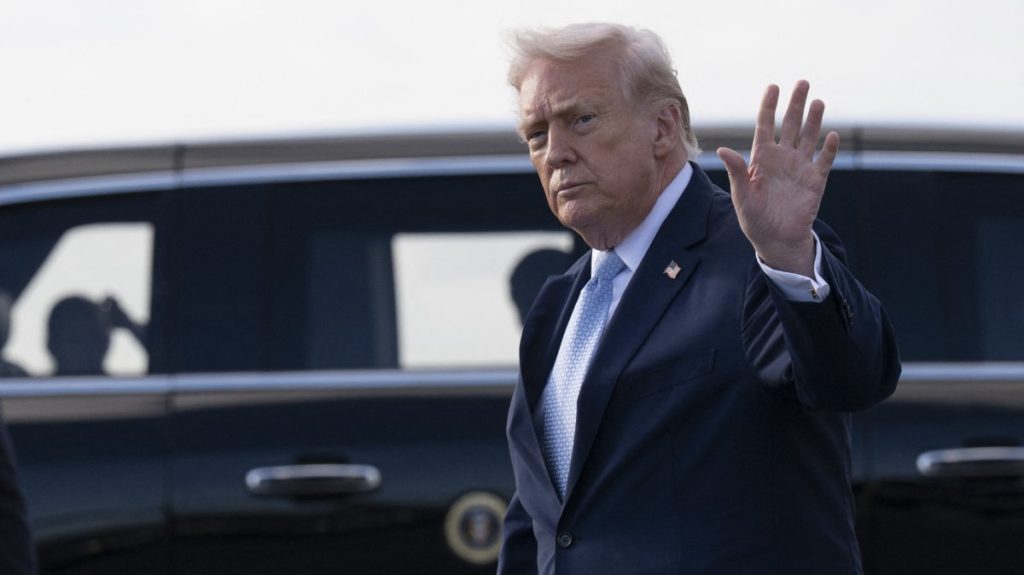
Donald Trump has ordered a five-day pause on planned U.S. military strikes targeting Iranian power plants and energy facilities, citing ongoing diplomatic progress between United States and Iran.
In a post on Truth Social, Trump described recent engagements between both nations as “very good and productive,” noting that discussions over the past two days had been “in-depth, detailed, and constructive.”
He added that further meetings are scheduled to continue this week, emphasizing that the temporary halt in military action depends on the success of the ongoing negotiations aimed at achieving a “complete and total resolution” of hostilities in the Middle East.
He wrote: I AM PLEASED TO REPORT THAT THE UNITED STATES OF AMERICA, AND THE COUNTRY OF IRAN, HAVE HAD, OVER THE LAST TWO DAYS, VERY GOOD AND PRODUCTIVE CONVERSATIONS REGARDING A COMPLETE AND TOTAL RESOLUTION OF OUR HOSTILITIES IN THE MIDDLE EAST. BASED ON THE TENOR AND TONE OF THESE IN DEPTH, DETAILED, AND CONSTRUCTIVE CONVERSATIONS, WHICH WILL CONTINUE THROUGHOUT THE WEEK, I HAVE INSTRUCTED THE DEPARTMENT OF WAR TO POSTPONE ANY AND ALL MILITARY STRIKES AGAINST IRANIAN POWER PLANTS AND ENERGY INFRASTRUCTURE FOR A FIVE DAY PERIOD, SUBJECT TO THE SUCCESS OF THE ONGOING MEETINGS AND DISCUSSIONS. THANK YOU FOR YOUR ATTENTION TO THIS MATTER! PRESIDENT DONALD J. TRUMP.
Donald Trump’s latest announcement signals a significant shift from his earlier ultimatum over the Strait of Hormuz, where he had demanded that Iran fully reopen the route within 48 hours or face immediate U.S. strikes on its power infrastructure.
In response, Iran warned that any attack would trigger severe retaliation, including targeting oil facilities and critical infrastructure across the Middle East “in an irreversible manner.”
Shipping through the Strait of Hormuz has remained heavily restricted following major joint strikes by the United States and Israel on February 28, which led to Iranian counterattacks on vessels and energy installations across the Gulf. The escalation has significantly disrupted exports of crude oil, LNG, fertilizers, and other key commodities from the region.
Earlier, Iran’s Defence Council cautioned that any assault on its coastal areas or islands would prompt the deployment of naval mines across the Gulf, potentially creating long-term disruptions similar to those seen in the Strait of Hormuz. State media also reported that Tehran may restrict access to the waterway, allowing passage only to vessels from “non-belligerent” nations that coordinate directly with Iranian authorities.




More Stories
New York Bans AI Use for Students Up to Eighth Grade in Public Schools
Russia Strikes One Of Ukraine’s Largest Stadium
X Ends Creator Revenue-Sharing Programme, Introduces Original Content Rewards